



KNOWLEDGE DRIVES CHANGE
Four cross-cutting programs to guide the transition
CMCC builds its research agenda around a set of strategic programs designed to tackle frontier issues at the intersection of society, economy, and the changing climate. These programs are central to understanding the challenges facing socio-economic systems in an era shaped by climate change, and to guiding the transition towards a sustainable, climate-neutral economy.
Each program tackles the most pressing challenges facing society today, ensuring research is not only scientifically rigorous and policy-relevant, but also directly responsive to societal needs. Our strategic programs are designed to integrate expertise across Research Institutes and Centers, leveraging core capabilities in climate science, computational modeling, and socio-economic research to deliver solutions that matter to communities, policymakers, and stakeholders worldwide.
Explore CMCC’s strategic programs in the sections below to learn how each initiative addresses pressing societal challenges and advances sustainable, climate-resilient solutions.
OUR FOCUS
Strategic Programs

Integration of the planetary biogeochemical and industrial carbon cycle (ICC)
A Strategic Program designed to address climate overshoot challenges with science-based management, turning carbon from a liability into an opportunity and enabling realistic, resilient pathways to net-zero.
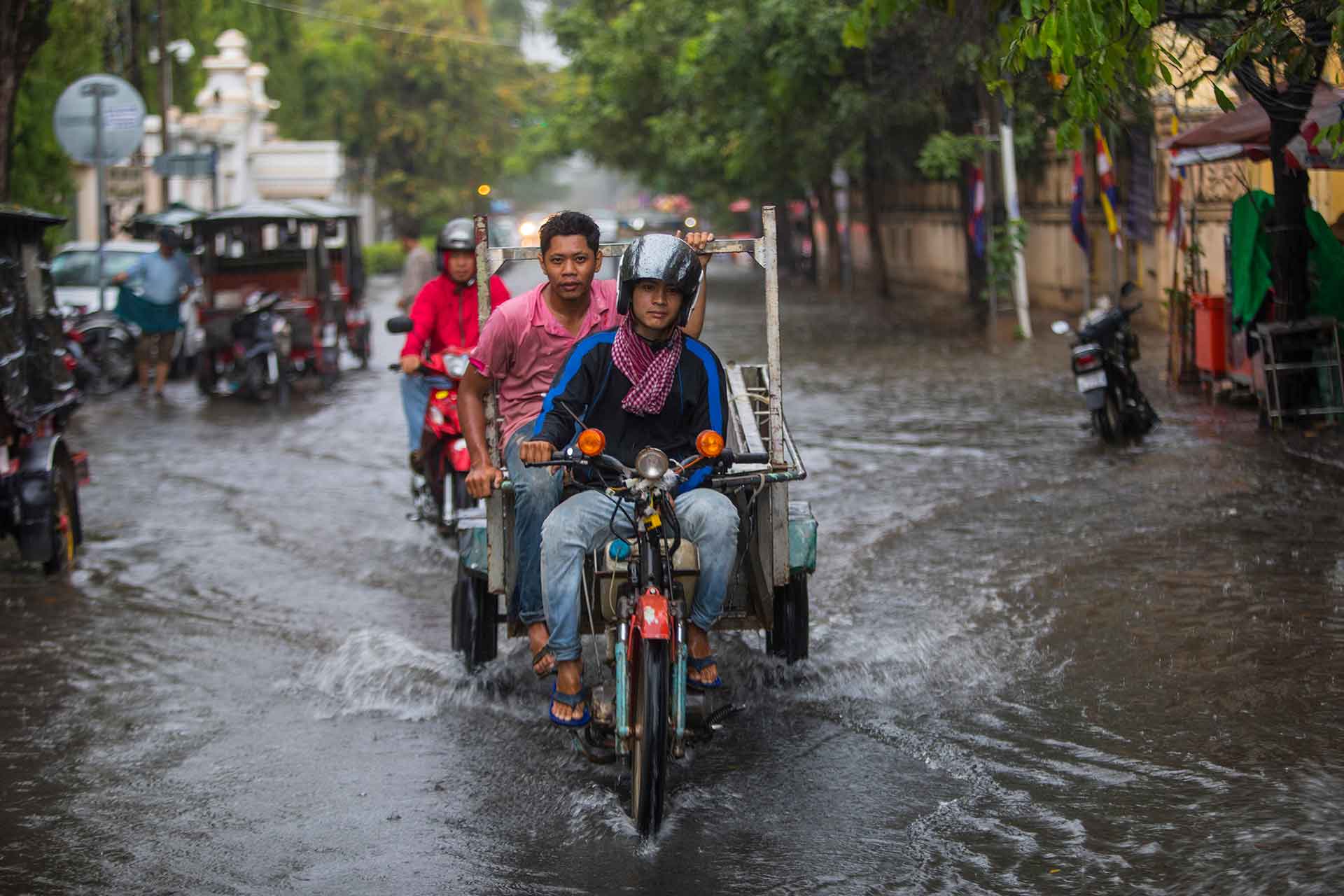
Predicting socio-economic outcomes in a changing climate (PSEO)
A Strategic Program to explore how climate, economic, social, and institutional dynamics interact, shaping development pathways and strengthening the science-policy interface to achieve resilient and equitable futures.
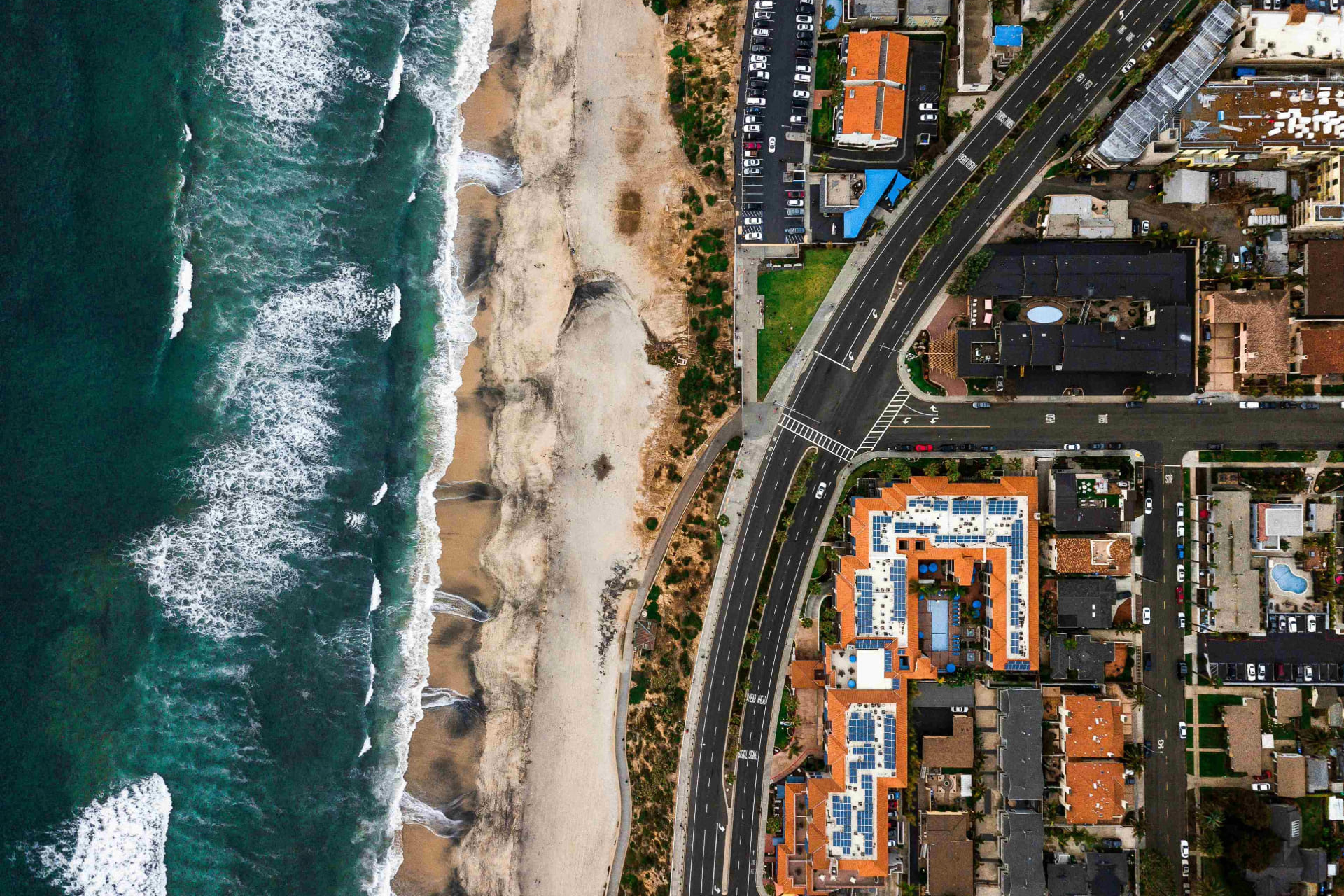
Global coasts as a new frontier (GCNF)
A Strategic Program to drive coastal resilience, safeguard communities, and foster development. It leverages advanced modeling and AI to build tailored solutions for environmental and socio-economic challenges in coastal areas.

Integrating AI and ML in the modeling chain (AI/ML)
An array of activities that harness data-driven approaches and machine learning models to predict climate patterns, extreme weather events, and climate impacts.


