



From small island states to the African continent climate injustice is also a matter of food
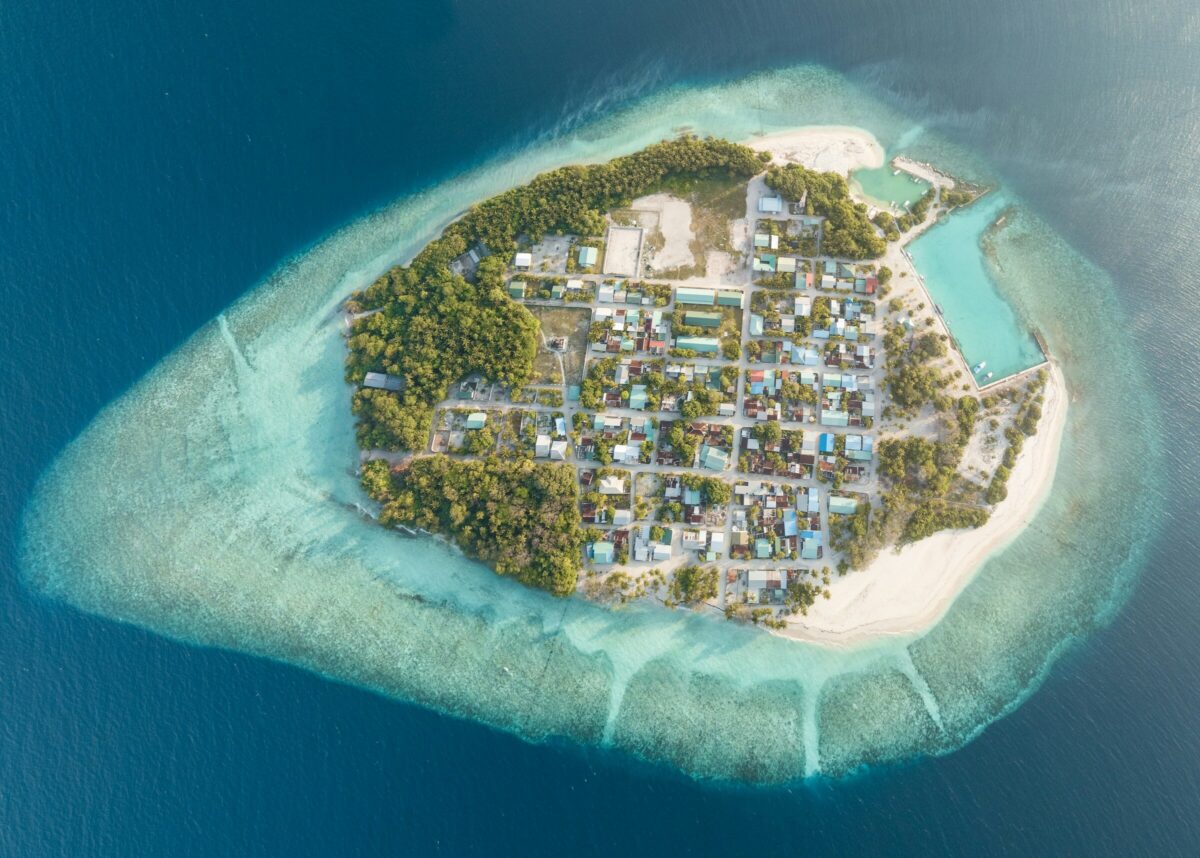
Climate change is deeply intertwined with issues of justice. Nowhere is this more evident than when it comes to disadvantaged groups and food systems. In 2023 alone, an additional 2.7 million people across 26 Small Island Developing States – almost 5% of their combined population – experienced food insecurity due to more frequent heatwaves and droughts. This is just a small snapshot of a wider picture where low‑income countries are, on average, less able to provide reliable healthy food compared to high income countries – with far ranging implications on both wellbeing and productivity. Add to this that those most affected are, by and large, those least responsible for historical emissions, and the numbers behind food insecurity become the first step towards establishing responsibility and enabling effective action.
At COP26 in Glasgow, Tuvalu’s foreign minister Simon Kofe addressed delegates via a pre‑recorded video while standing knee‑deep in sea water, warning that “we are sinking, but so is everyone else.” His speech captured the core injustice facing Small Island Developing States (SIDS): nations that have contributed least to global emissions are among the most vulnerable to its impacts.
“Climate change is affecting health, food security, labour force, and the economies of SIDS more than in other parts of the world. What is more, these burdens are borne by nations responsible for less than 1% of the emissions that cause them,” says CMCC researcher and co‑author of the newly published 2025 Small Island Developing States report of the Lancet Countdown on health and climate change Shouro Dasgupta.