




Learning from Europe’s recent flood disasters: Towards more resilient governance
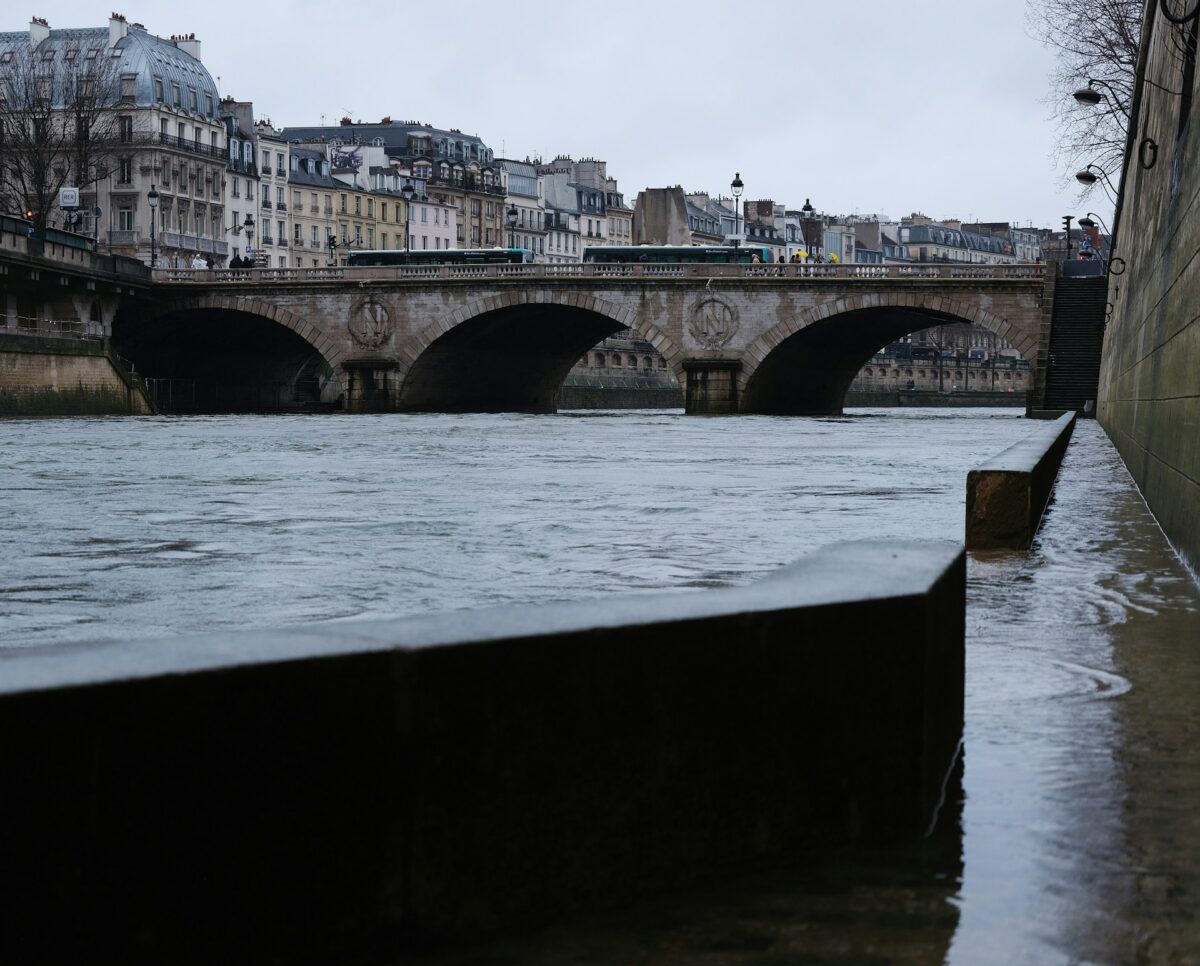
Flood disasters across Europe are becoming more frequent and severe, driven by rapid urbanisation, vulnerable infrastructure and changing extremes in rainfall. A new multi‑country study led by the IAHR Europe Division, with CMCC participation, reveals what recent catastrophic floods can teach us about more resilient governance.
In 2024 alone, flood‑related disasters around the world caused more than 8,700 deaths and economic losses exceeding 450 billion euros, with cumulative global losses of about 2.7 trillion euros over the previous decade. Against this backdrop, Europe’s recent floods – from riverine events in large basins to flash floods in dense urban areas – have exposed the limits of existing protection systems and emergency responses.
The new study, published in the International Journal of River Basin Management, summarises lessons from major European flood events since 2007, using a harmonised framework aligned with Integrated Flood Risk Management (IFRM). The authors analyse hazard characteristics, exposure, vulnerability and governance responses across multiple countries, focusing on high‑impact floods to extract the most policy‑relevant insights.
Their results highlight five recurring themes: the growing prevalence of riverine and flash floods in urban areas; the amplifying effects of urbanisation and inadequate drainage; the role of climate‑induced extremes and persistent weather patterns; persistent shortcomings in early‑warning dissemination and last‑mile communication; and strong regional variability in vulnerability and coping capacity. Together, these patterns show that flood risk is shaped as much by where and how we build and govern as by how much rain falls.
“The study reports three main pieces of evidence. First, urban exposure is a major driver of impacts, particularly where people and critical infrastructure are located in flood-prone areas and drainage systems are unable to cope with extreme rainfall,” says CMCC researcher and co‑author Melissa Latella notes. “As an environmental engineer, I find the link between flood risk and urban planning particularly relevant. Indeed, the way we plan cities and locate critical infrastructure can either increase or reduce future risk by increasing exposure to flood hazards. Consequently, flood resilience should be grounded in rethinking urban development in flood-prone areas and, where necessary, also considering relocation strategies.”
Second, the study finds that despite important progress in early‑warning technologies, the “last mile” remains a major challenge. “Technologies such as cell broadcasting and early-warning systems are an important step forward, but the real challenge is ensuring their effective uptake by institutions and citizens,” says Latella, linking this work to CMCC projects such as The HuT, which focus on connecting technology, communities and institutions to improve disaster preparedness and resilience.
Third, coping and recovery capacity varies considerably across Europe, influenced by infrastructure, institutional capacity, insurance coverage and economic resources. This means that similar flood events with similar physical features can lead to very different impacts, damage levels and recovery times, underscoring the need to consider social and economic inequalities when designing resilience policies.
The analysis also points towards a common governance roadmap. It suggests better integration of flood‑risk information into urban planning, stronger and more actionable warning systems, more resilient critical infrastructure, and greater cooperation and data sharing at river‑basin scale. “A final message from this collaborative study is that flood resilience requires not only better knowledge and technology, but also enhanced planning, communication and governance,” Latella concludes.
CMCC contributed to this collaborative effort through Latella’s role as Representative of Young Professionals in the IAHR Council and Europe Division and as co‑founder of the IAHR Working Group on Remote Sensing, bringing basin‑scale and remote‑sensing perspectives into the work. Her research on remote sensing and river restoration highlights how better integration of shared data and local observations can support basin‑scale restoration, increase natural retention areas and reduce downstream flood hazard, with scope for further development in countries such as Italy.
For further information:
Recent flood disasters in Europe (2007–2025): comparative analysis and policy implications for climate-resilient governance, International Journal of River Basin Management (2026), https://doi.org/10.1080/15715124.2026.2694415.