



Water is the solution. Benefits of an integrated approach to climate resilience
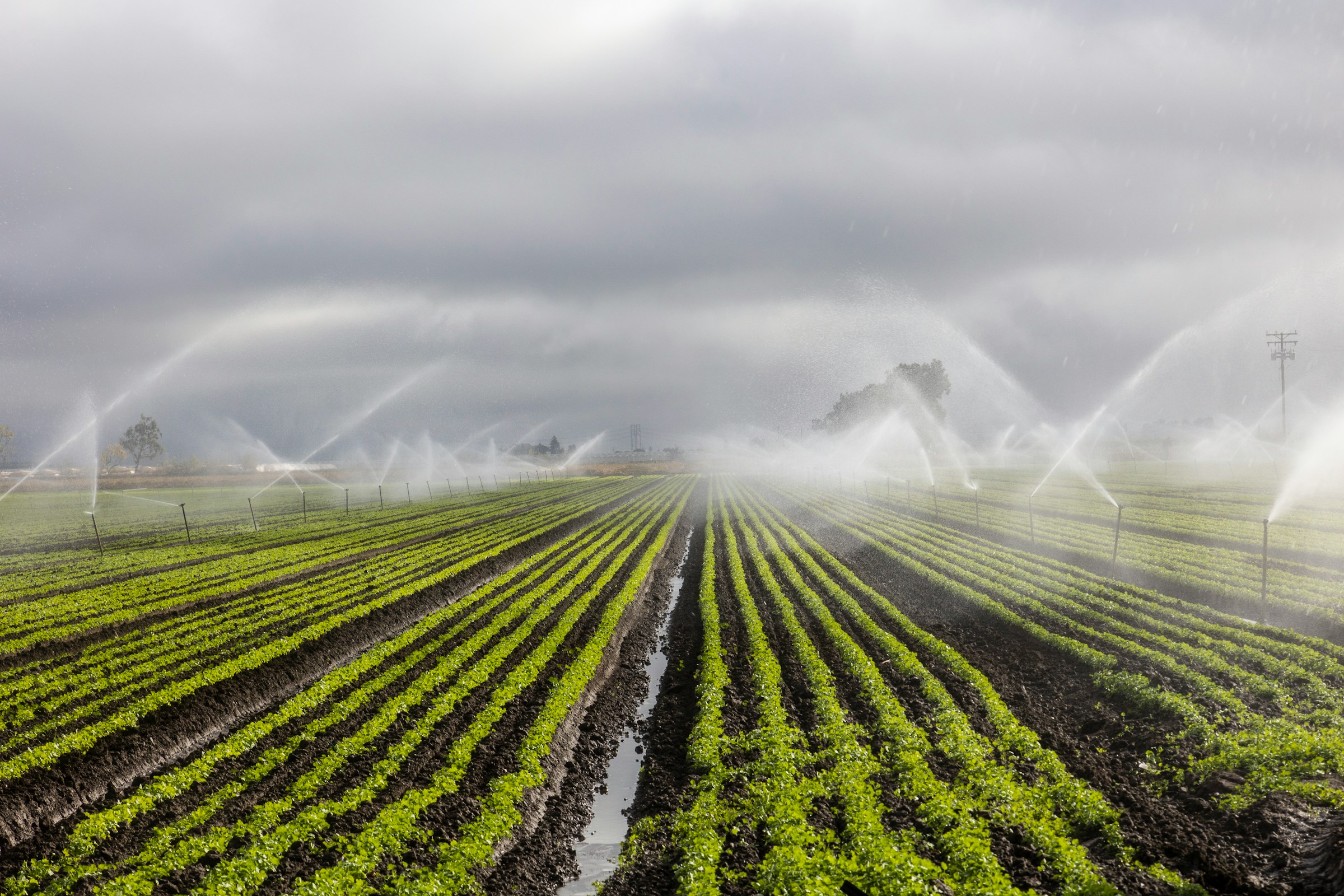
From technology-based approaches and precision farming, to behavioural changes and dietary habits. As parts of the Mediterranean experience almost 80% declines in per capita availability of renewable water resources, a study conducted by an international team of scientists, including from CMCC, reveals the most beneficial strategies to tackle water scarcity. “A water-centric nexus approach helps identify the interventions that generate the greatest mutual benefits across sectors,” says CMCC researcher and co-author of the study Marta Debolini.
What connects renewable energy generation, food production and ecosystem health? The answer is simple: water. A new study involving CMCC researchers – published in Nature – demonstrates how water scarcity is both the main challenge affecting the Mediterranean region and the source of solutions that optimize co-benefits across different sectors the most.
Rather than simply documenting problems, the study focuses on these solutions, examining strategies already being implemented across the Mediterranean to understand which ones work best and which ones risk creating new problems.
Some of the most effective solutions documented in the study include behavioral and social solutions – such as shifts toward the Mediterranean diet and reducing food waste – which delivered the most consistent benefits across all four components of the water, energy, food, and ecosystem nexus.
Technology also plays a role, featuring approaches like agrivoltaics – which combine solar energy generation with agriculture on the same land without competing for resources – and agroecological practices such as intercropping and cover crops that save water while supporting biodiversity and maintaining crop yields. Wastewater reuse and organic soil management similarly improve both water security and ecosystem function.
“The paper assesses the main risks associated with the water-energy-food-ecosystem interlinkages due to climate change in the Mediterranean,” explains Marta Debolini, CMCC researcher and co-author of the study which is related to the MEDECC expert panel’s Special Report on the Water-Energy-Food-Ecosystems nexus. “In particular, the cascading effects are underlined, and the paper highlights how these effects can be triggered by traditional sectoral approaches.”

Impacts, interactions and cascading effects on water, energy, food and ecosystem outcomes of climate change and solutions designed in a sectoral approach. Source: Drobinski et al., 2025.
Why is this important? The Mediterranean is a hotspot for climate change. It is warming 20% faster than the global average, and the per capita availability of renewable water resources declined by 78% for the Eastern Mediterranean and 68% for the Southern Mediterranean between 1962 and 2017.
When water becomes scarce, impacts cascade across sectors – affecting food production, energy generation, and ecosystem health. For example, climate change, water scarcity and land degradation are projected to cause a 17% decline in agricultural output by 2050, with substantial regional disparities. Traditional approaches that address each problem separately often make things worse, creating hidden trade-offs that can backfire.
“The paper proposes a water-centric nexus approach, as it seems to help identify interventions that generate mutual benefits across sectors,” Debolini explains. This means designing solutions that address water scarcity while simultaneously supporting food production, clean energy, and healthy ecosystems. When solutions work across multiple sectors simultaneously, they become more efficient and more likely to succeed.
For more information:
Drobinski, P., Rivera Ferre, M.G., Monem, M.A. et al. Nexus approach to enhance water-energy-food security and ecosystems resilience under climate change in the Mediterranean. npj Clim. Action 4, 115 (2025). https://doi.org/10.1038/s44168-025-00308-4
This paper is related to the MEDECC expert panel’s Special Report on the Water-Energy-Food-Ecosystems (WEFE) nexus. Read the full report here.