




William Nordhaus, the economist who put climate at the heart of economics
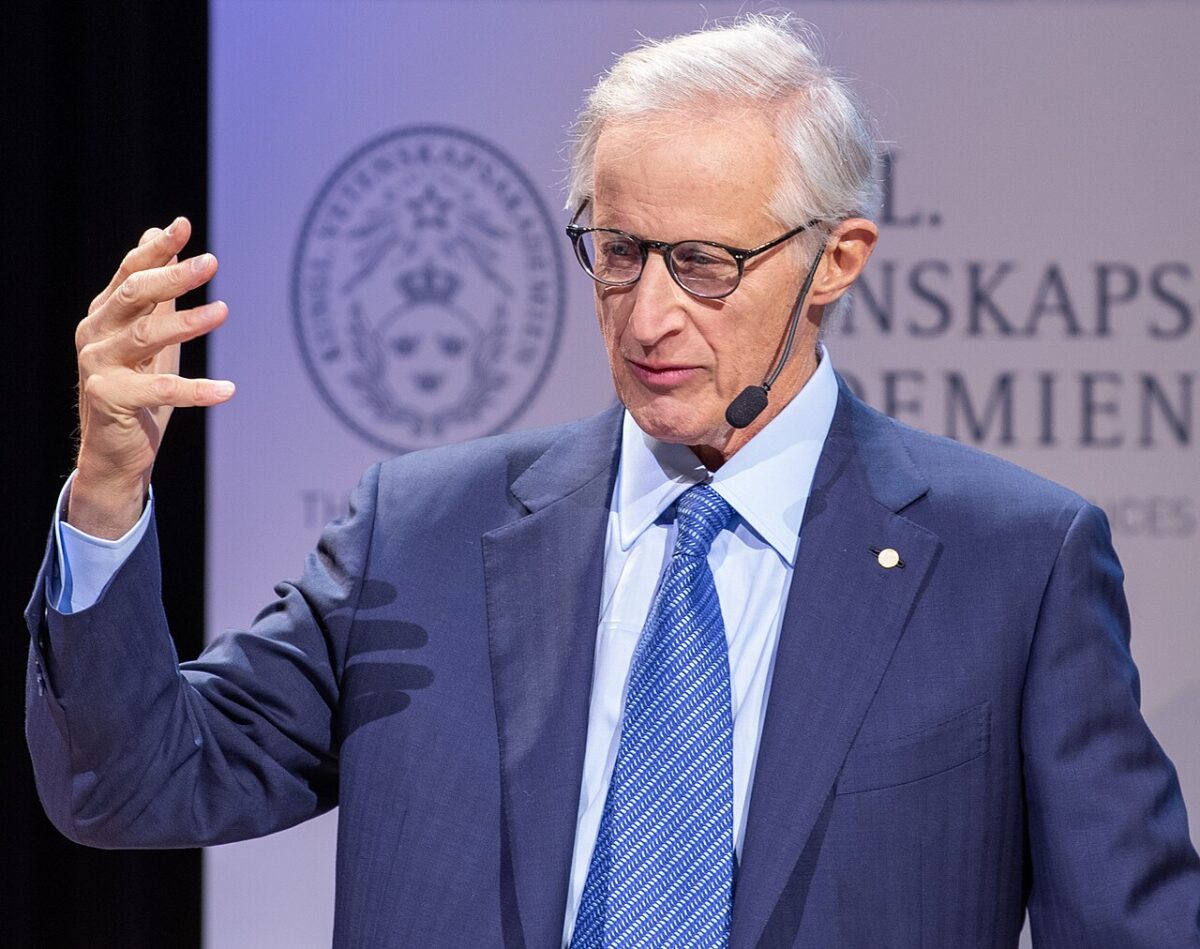
Nordhaus was among the first to show that growth prospects can look very different once climate and environmental variables are taken into account. The CMCC themes in climate economics are his themes: sustainable development, the social dimension of environmental economics, and the growing need to limit climate change and its impacts. The international community loses a pioneer who opened new paths and new fields of research.
“He has pioneered a framework for understanding how the economy and climate of our planet are mutually dependent on each other.” With these words, the Royal Swedish Academy of Sciences recognised William Nordhaus as a pioneer in a field that would prove crucial to how we study and understand the interaction between the economy and the climate system. His work would also highlight the complexities of the interplay between society and the environment, leading to scientific disputes and debates which are still ongoing on how we should cope with the climate crises.
For CMCC, the news that the highest prize in economic sciences had finally recognized climate change -some years after the IPCC received the Nobel peace prize- and that Nordhaus had won it was a culminating moment. In June 2019, just months after receiving the Nobel Prize, Nordhaus opened the newly established European Institute on Economics and the Environment with a lecture on the need for a carbon tax designed to benefit all citizens, whatever their income.
His presence in Milan was far more than symbolic. The new CMCC institute’s themes were his themes: sustainable development, the social dimension of environmental economics, and the growing need to limit climate change and its impacts. Nordhaus was among the first to show that growth prospects can look very different once climate and environmental variables are taken into account. His influence on CMCC’s research has been important. The Nobel Committee cited the WITCH model – developed by Massimo Tavoni, Director of EIEE, with Carlo Carraro and Valentina Bosetti as a prominent example of work building on his ideas.
With his passing, the international community loses a trailblazer who opened new paths and new fields of research. His work was always openly available, to be studied, analysed, criticised and used, offering the whole world what Massimo Tavoni called “a great, ante litteram for economics, experiment of science transparency”.